Updated August 2026 · Our team explored Chengdu in person
Best of Chengdu 2026
Plan an unforgettable trip to China's food capital — where to eat, which panda base to choose, what to expect, and the mistakes to avoid.
By Best of Chengdu Team Published Updated

On This Page
Chengdu at a Glance
The essentials in 30 seconds.
Why Visit Chengdu?
Chengdu (成都, Chéngdū) has existed for over 2,200 years without changing its name, and its 21 million residents have perfected the art of slowing down. UNESCO named it a City of Gastronomy in 2010; mapo tofu was born here in 1862, kung pao chicken in a local courtyard kitchen, and ~200 giant pandas live 30 minutes from downtown at the Chengdu Research Base.
Then add the Sichuan Opera's face-changing performers, tea houses serving covered cups of jasmine tea for a millennium, and two of China's finest day trips — the 71-meter Leshan Giant Buddha and mist-shrouded Mount Qingcheng. Chengdu isn't a city you tick off a checklist — it's a city you sink into.
What to Eat in Chengdu — And Where
Eight dishes that define Sichuan cuisine.
Mapo Tofu (麻婆豆腐)
Chen Mapo Tofu (陈麻婆豆腐) — the original since 1862.Silky tofu in chili-bean sauce, numbing with Sichuan peppercorns. Defines the Sichuan canon.
Kung Pao Chicken (宫保鸡丁)
Piao Xiang (飘香) near Kuanzhai Alley does a textbook version.Tender chicken, peanuts, and dried chilies in a sweet-savory-tingly sauce.
Dan Dan Noodles (担担面)
Street stalls near Jinli or along Wenshuyuan Street.Wheat noodles in sesame paste, chili oil, and minced pork — about 10 RMB.
Twice-Cooked Pork (回锅肉)
Family-run Sichuan restaurants in the Yulin neighborhood.Pork belly wok-fried with fermented black beans, leeks, and doubanjiang.
Chengdu Hotpot (火锅)
Shu Daxia for theatrics; Huangcheng Laoma for tradition; Xiaolongkan for the local experience.A bubbling chili broth cauldron — you cook sliced meats, vegetables, and tofu yourself.
Fuqi Feipian (夫妻肺片)
The inventors' shop near Chunxi Road.Sliced beef, tripe, and tendon in chili oil and sesame. Invented in the 1930s; no lungs.
Zhong Dumplings (钟水饺)
Original shop on Tidu Street, open since 1893.Pork dumplings in sweet soy, garlic paste, and chili oil. A Qing-dynasty icon.
Lai Tangyuan (赖汤圆)
The original storefront near Jinli, from 1894.Glutinous rice balls with black sesame paste in sweet osmanthus soup.
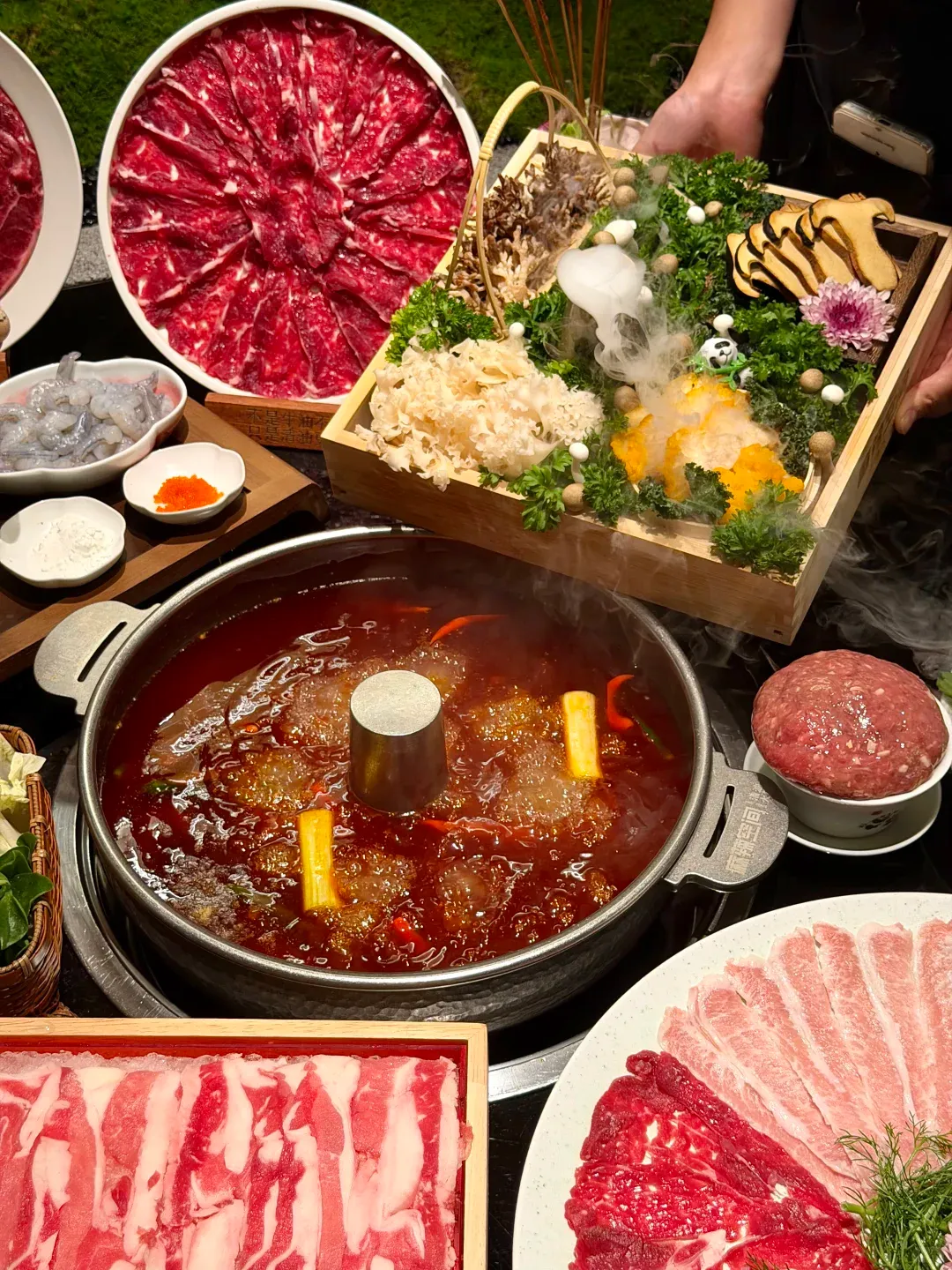
Explore by category
Top Attractions in Chengdu
From giant pandas to ancient temples — with prices, transit, and timing.
Over 200 pandas in a sprawling park, with a baby nursery. Arrive before 8 AM.
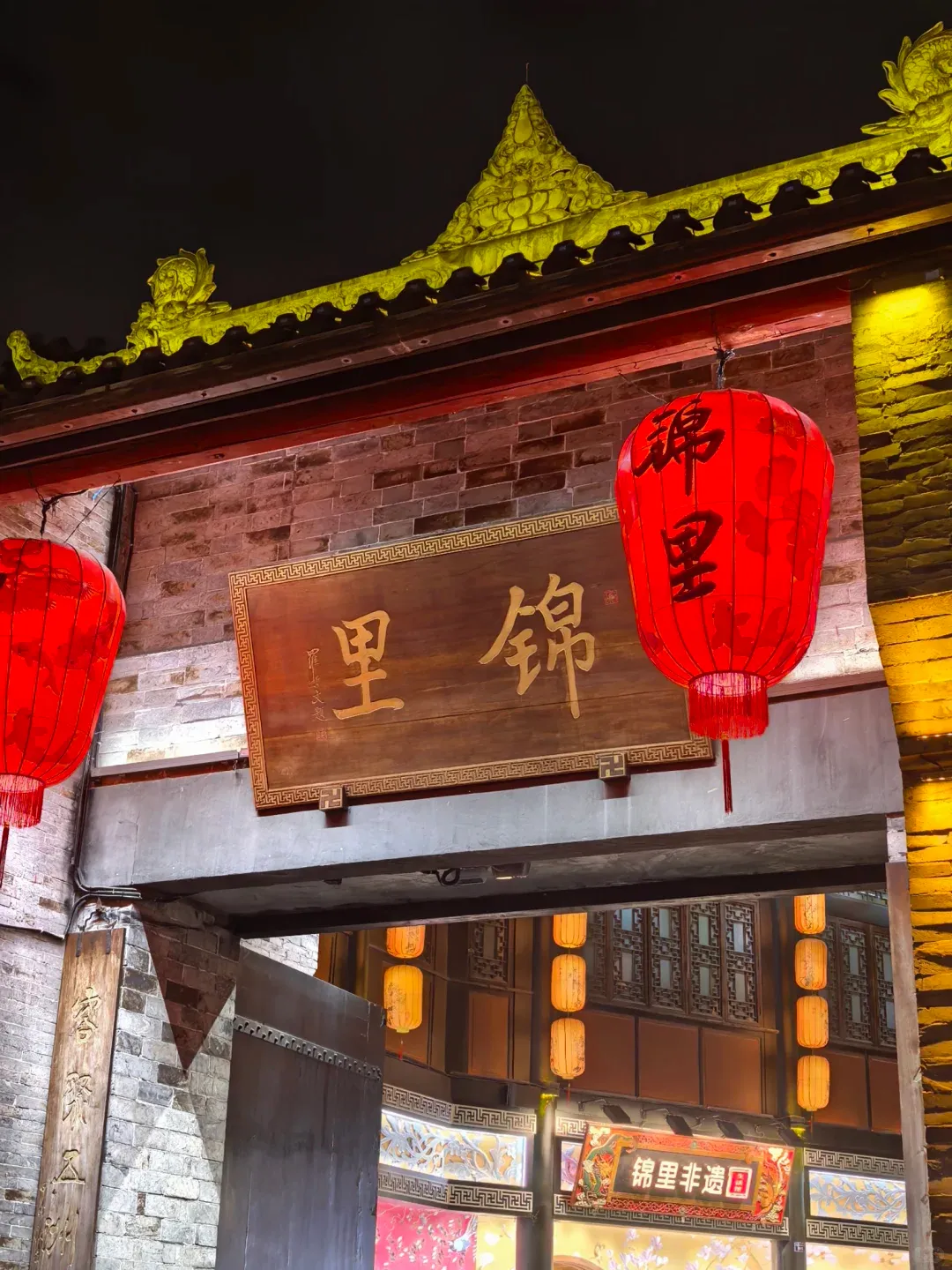
CNY 55 · Metro Line 3 · 7:30 AM–6 PMRed lanterns, street-food stalls, and tea houses along a restored Qing-dynasty street.
Free · Walk from Wuhou Shrine · Best at duskThree parallel Qing-dynasty alleys with courtyard restaurants and tea houses.
Free · Metro Line 4 (Kuanzhai Xiangzi Station)The living heart of Chengdu — mahjong, karaoke, and Heming Tea House.
Free · Metro Line 2 (People's Park Station)A serene temple honoring Three Kingdoms strategist Zhuge Liang, with the famous red-wall corridor.
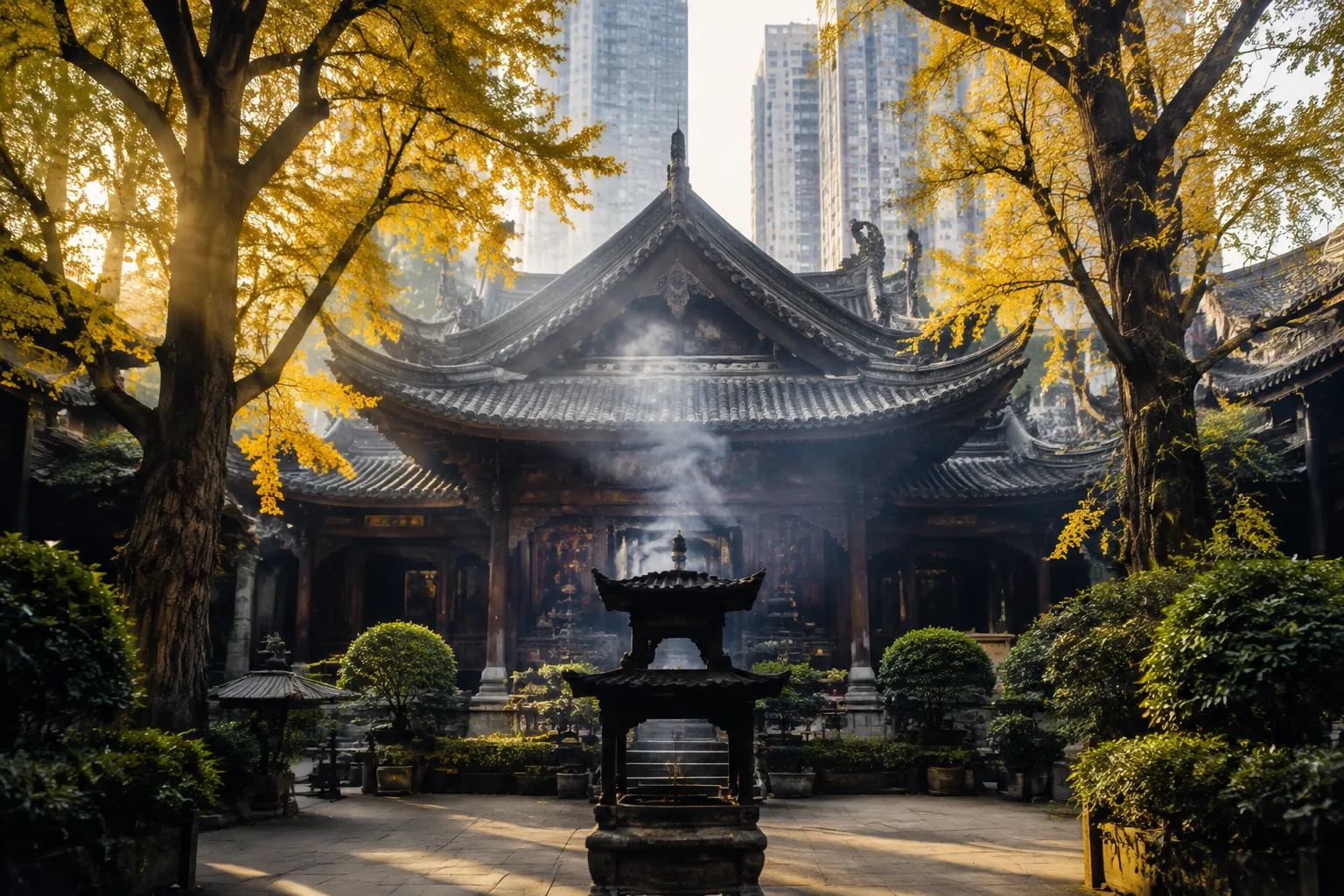
CNY 60 · Next to Jinli StreetChengdu's best-preserved Buddhist temple, built in the Tang Dynasty.
Free · Metro Line 1 (Wenshu Monastery Station)A 71-meter Buddha carved into a cliff in the 8th century — the largest stone Buddha on earth.
CNY 80 · 2 h by train from Chengdu South StationA misty Taoist mountain and UNESCO World Heritage site — one of Taoism's birthplaces.
CNY 90 · 30 min by train from Lidui Park Station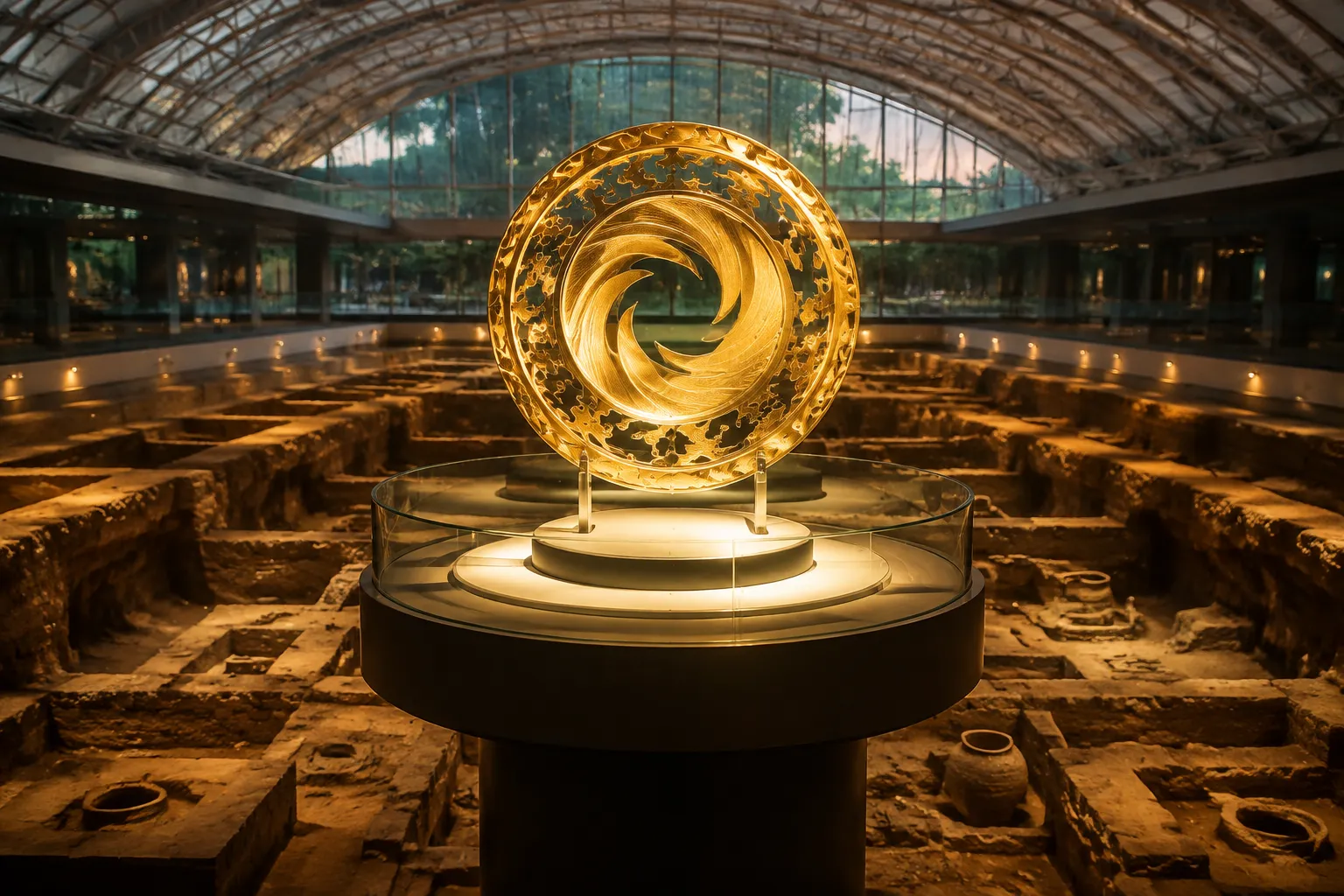
Which Panda Base Should You Visit?
Two bases, two very different experiences.
| Chengdu Research Base | Dujiangyan Panda Base | |
|---|---|---|
| Number of pandas | ~200 (largest captive population) | ~20 (smaller, more intimate) |
| Crowds | Very busy, especially mornings | Quiet, relaxed — fraction of the crowds |
| Volunteer keeper program | Not available | Yes — CNY 700–900 · Book 1–2 weeks ahead |
| Baby panda nursery | Open year-round | Seasonal — not guaranteed |
| Enclosure style | Glass-walled rooms + outdoor yards | Open-air hillside enclosures — no glass |
| Transit from downtown | 30 min via Metro Line 3 | ~1.5 h door-to-door via train + taxi |
| Entrance fee | CNY 55 (students ¥27) | CNY 58 (students ¥29) |
| Current status | OPEN — normal operations | CLOSED for renovation since Apr 2026 |
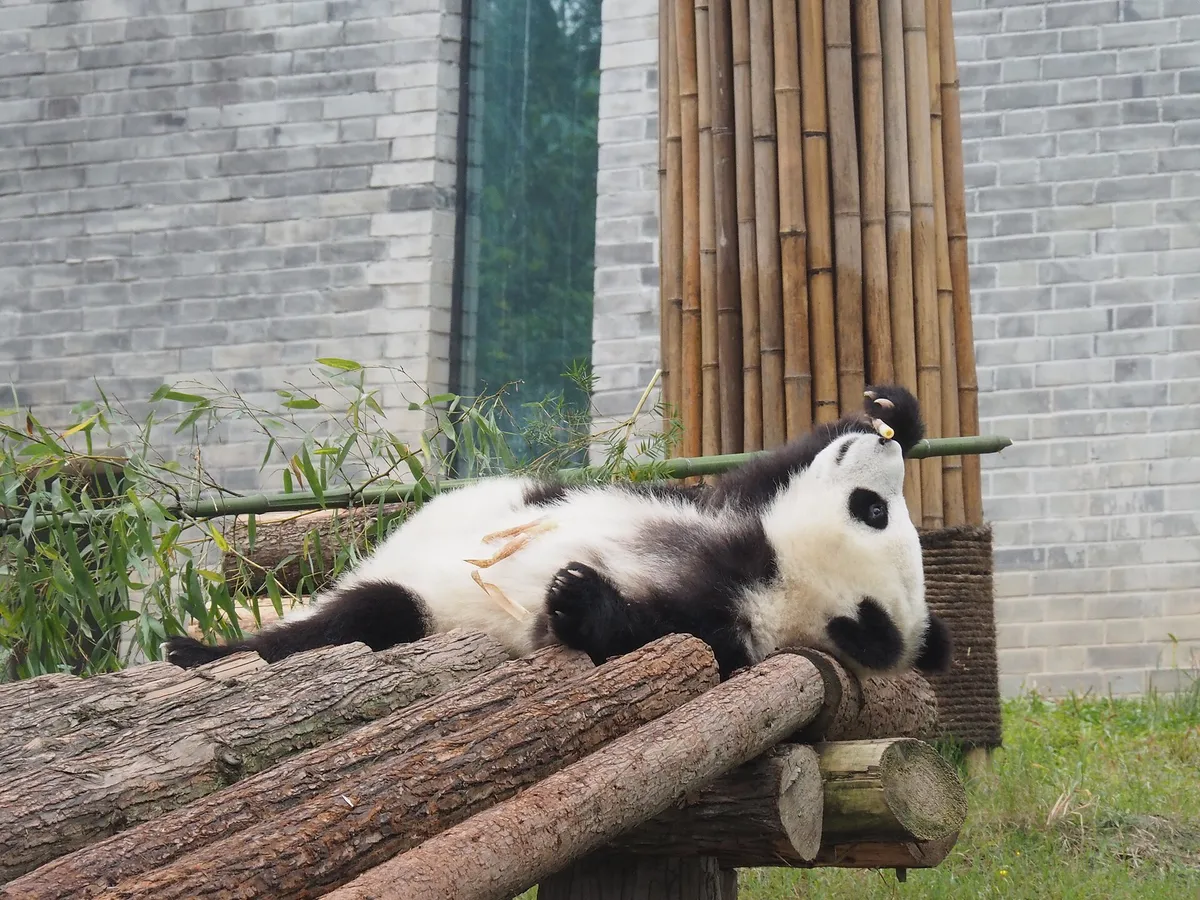
Quick verdict: Chengdu Research Base for the spectacle, most pandas, and the nursery. Dujiangyan for quiet open-air enclosures and the volunteer keeper program. If you only have one panda day, choose Chengdu — the full comparison and volunteer details live on our Panda Base guide.
Experiences & Culture
Chengdu is about moments, not just sights.
Tea House Culture
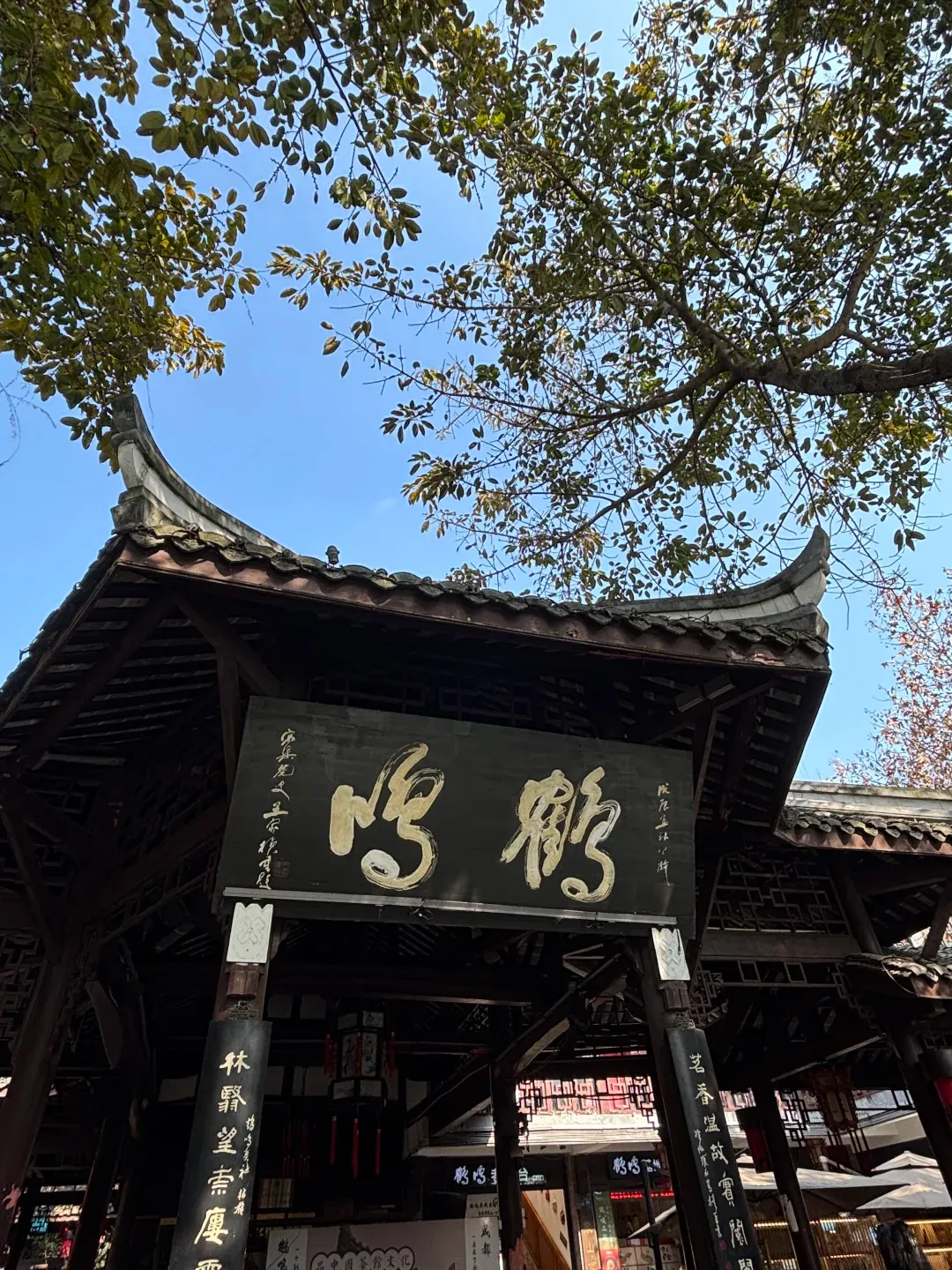
The ritual that defines Chengdu: hours with a covered cup of jasmine tea at Heming Tea House — a tradition over 1,000 years old.
Face-Changing Opera (变脸)
Bian lian performers whip colored silk masks across their faces in a split second at Shufeng Yayun.
Mahjong (麻将)
Walk any Chengdu park and you'll hear the clatter of 136 tiles — the local "blood battle" variant is the fastest in China.
Nightlife & Bar Streets
Jiuyanqiao for cocktail bars, Kehua Road for late-night barbecue.
Plan Your Trip
Getting around, where to stay, and when to go.
Getting Around
Metro: 7+ lines, 2–7 RMB, English signs everywhere. Covers all tourist areas. The best way to get around.
Didi (滴滴): China's Uber — 15–40 RMB for most trips. No language barrier — type your destination in English.
Bike sharing: Hellobike and Mobike are everywhere. ¥1.50/ride. Scan QR code to unlock. Chengdu is flat and bikeable.
Taxi: Plentiful, cheap, but drivers rarely speak English. Always have your destination in Chinese characters.
Where to Stay
Jinli / Wuhou: Tourist central. Walk to Jinli Street, Wuhou Shrine. Great for first-timers.
Kuanzhai Area: Boutique hotels in converted Qing courtyards. Atmospheric, central, romantic.
Chunxi Road: Shopping hub, Metro interchange, big-brand hotels. Convenient but busy.
Hi-Tech Zone: Modern, quiet, spacious. Best for business travelers or families who want calm.
Budget Guide
Backpacker: ¥200–300/day — hostel, street food, Metro, one attraction.
Mid-range: ¥500–800/day — boutique hotel, restaurants, Didi, all attractions.
Luxury: ¥800+/day — five-star, fine dining, private driver, spa.
Payment: WeChat Pay & Alipay now accept foreign cards. Carry some cash for street stalls.
When to Visit — Month by Month
| Month | Temp | Crowds | Pandas / Activity | Rating |
|---|---|---|---|---|
| Jan | 3–9°C | Very low | Cool-weather pandas active | ★★★ |
| Feb | 5–12°C | Low | Crisp air, quiet parks | ★★★ |
| Mar | 10–17°C | Moderate | Spring flowers, pandas outdoors | ★★★★★ |
| Apr | 15–23°C | Moderate | Ideal weather | ★★★★★ |
| May | 19–27°C | Busy | Active mornings | ★★★★ |
| Jun | 22–30°C | Moderate | Hot, rainy — lazy pandas | ★★★ |
| Jul | 24–33°C | Very busy | Hot — go early | ★★ |
| Aug | 23–32°C | Very busy | Hot — baby pandas visible | ★★★ |
| Sep | 19–27°C | Moderate | Autumn begins, golden light | ★★★★★ |
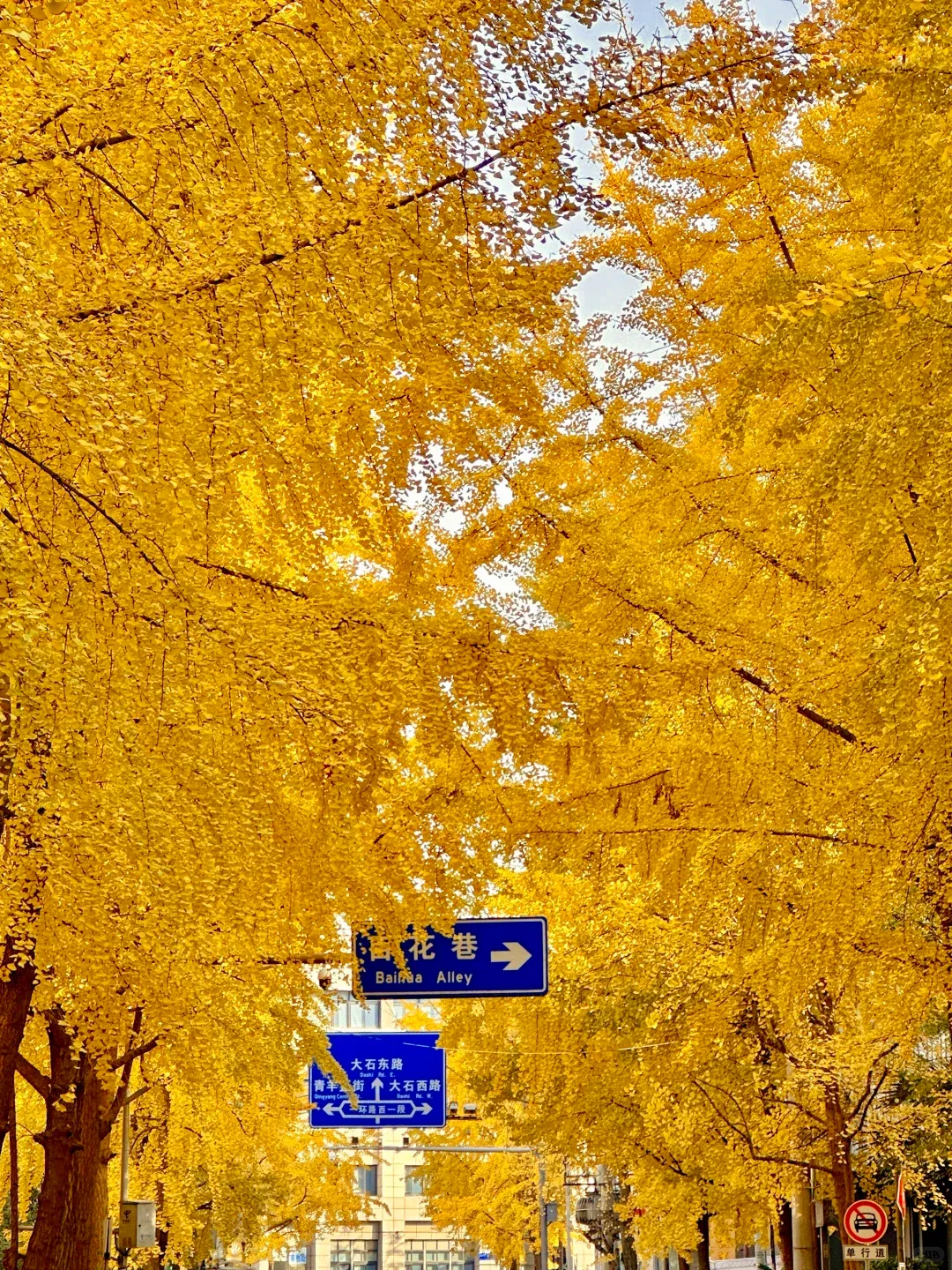
| Oct | 15–22°C | Busy | Ginkgo trees turn gold | ★★★★ |
| Nov | 10–16°C | Low | Crisp and clear | ★★★★★ |
| Dec | 4–10°C | Very low | Gray skies, hotpot weather | ★★★ |
Typical conditions at ~500m elevation. Sichuan weather is famously unpredictable — always check the forecast before you go.
Sample Itineraries
Three ways to spend your time in Chengdu — one day to three.
1 Day — The Essentials
- Panda Base (arrive 8 AM)
- People's Park & Heming Tea House
- Kuanzhai Alley (lunch + explore)
- Jinli Street at lantern-lighting (dusk)
- Hotpot dinner — Shu Daxia or Xiaolongkan
2 Days — Deep Dive
- All of Day 1
- Wenshu Monastery morning + vegetarian lunch
- Wuhou Shrine afternoon
- Sichuan Opera at Shufeng Yayun (evening)
- Late-night street food near Kehua Road
3 Days — Beyond the City
- All of Days 1–2
- Leshan Giant Buddha (day trip by train)
- or Mount Qingcheng (nature + Taoism)
- Dujiangyan Panda Base (if reopened)
- Farewell hotpot or street-food crawl
Chengdu vs Chongqing — Which Should You Visit?
Two Sichuan-cuisine mega-cities, 1.5 hours apart by train.
| Chengdu 成都 | Chongqing 重庆 | |
|---|---|---|
| Vibe | Laid-back, flat, green — tea houses and slow mornings. | Vertical and fast — a cyberpunk river city of steep staircases. |
| Food style | Refined and complex — birthplace of mapo tofu. | Bolder and oilier — home of the spiciest hotpot. |
| Best known for | Pandas, tea houses, UNESCO gastronomy. | Mountain skyline, hotpot, Three Gorges cruises. |
| Getting around | Flat, bikeable; Metro covers most areas. | Hilly; expect steep walks between Metro stops. |
| Day trips | Leshan Buddha, Mount Qingcheng, Dujiangyan. | Dazu Rock Carvings, Wulong Karst, Yangtze cruises. |
| Transit between | 1.5 h high-speed train (~¥150) | 1.5 h high-speed train (~¥150) |
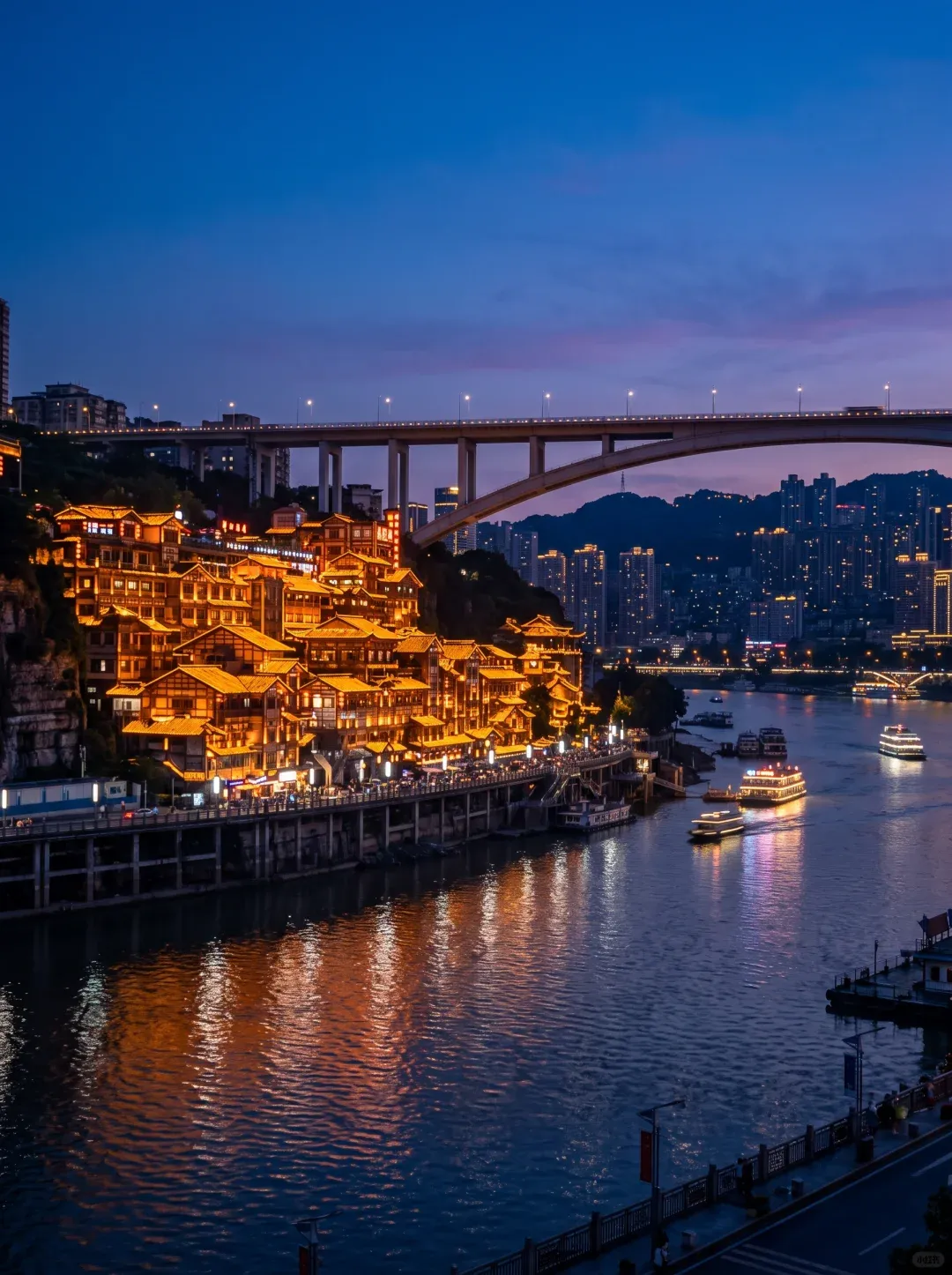
Best plan: Spend 2–3 days in each — start in Chengdu for food and pandas, then the 1.5-hour high-speed train (¥150) to Chongqing for an urban adventure. They complement each other perfectly.
6 Mistakes First-Timers Make in Chengdu
Learn from other travelers' missteps. Get these right and your trip is already 80% better.
Arriving at the Panda Base at 11 AM
Fix: Pandas nap by 11:30. Arrive at 7:45 AM to queue for the 8 AM opening.
Underestimating the spice
Fix: Order one dish at a time — mala builds. Always have rice and a cold drink within reach.
Not having addresses in Chinese
Fix: Save your hotel and key attractions in Chinese characters and show the screen to taxi drivers.
Skipping the VPN setup before arriving
Fix: Install and test your VPN at home — you cannot download apps once inside China.
Trying to do too much in one day
Fix: Two major activities per day is the sweet spot — mornings at the Panda Base, long lunches, afternoon tea houses.
Paying full price for everything
Fix: Book on Trip.com or Meituan (10–20% cheaper). Didi beats taxis; book trains 1–2 days ahead.
Best Photo Spots in Chengdu
Six locations worth your camera.
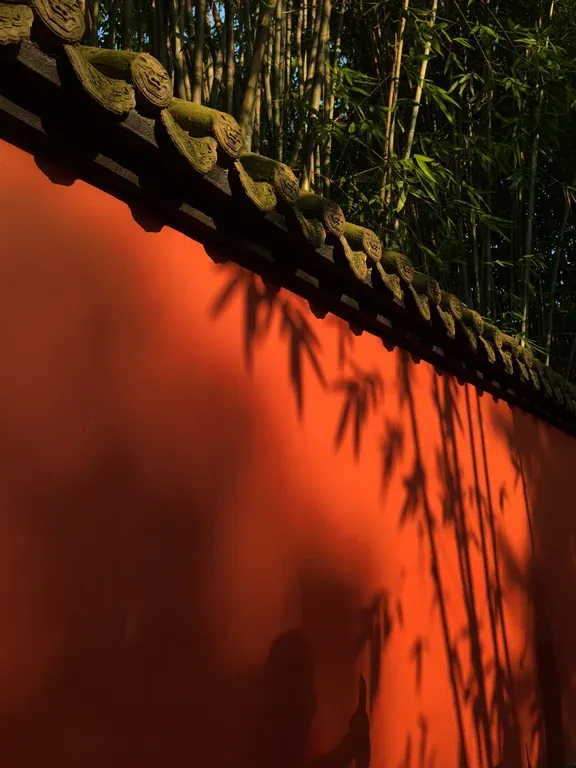
Wuhou Shrine Red Wall Corridor
Vermilion corridor with bamboo shadows; best late afternoon on weekdays.
🕐 Late afternoon · Weekdays Jinli Street at Dusk
Lanterns glow over cobblestone lanes — shoot from the arched bridge.
🕐 Sunset · Tripod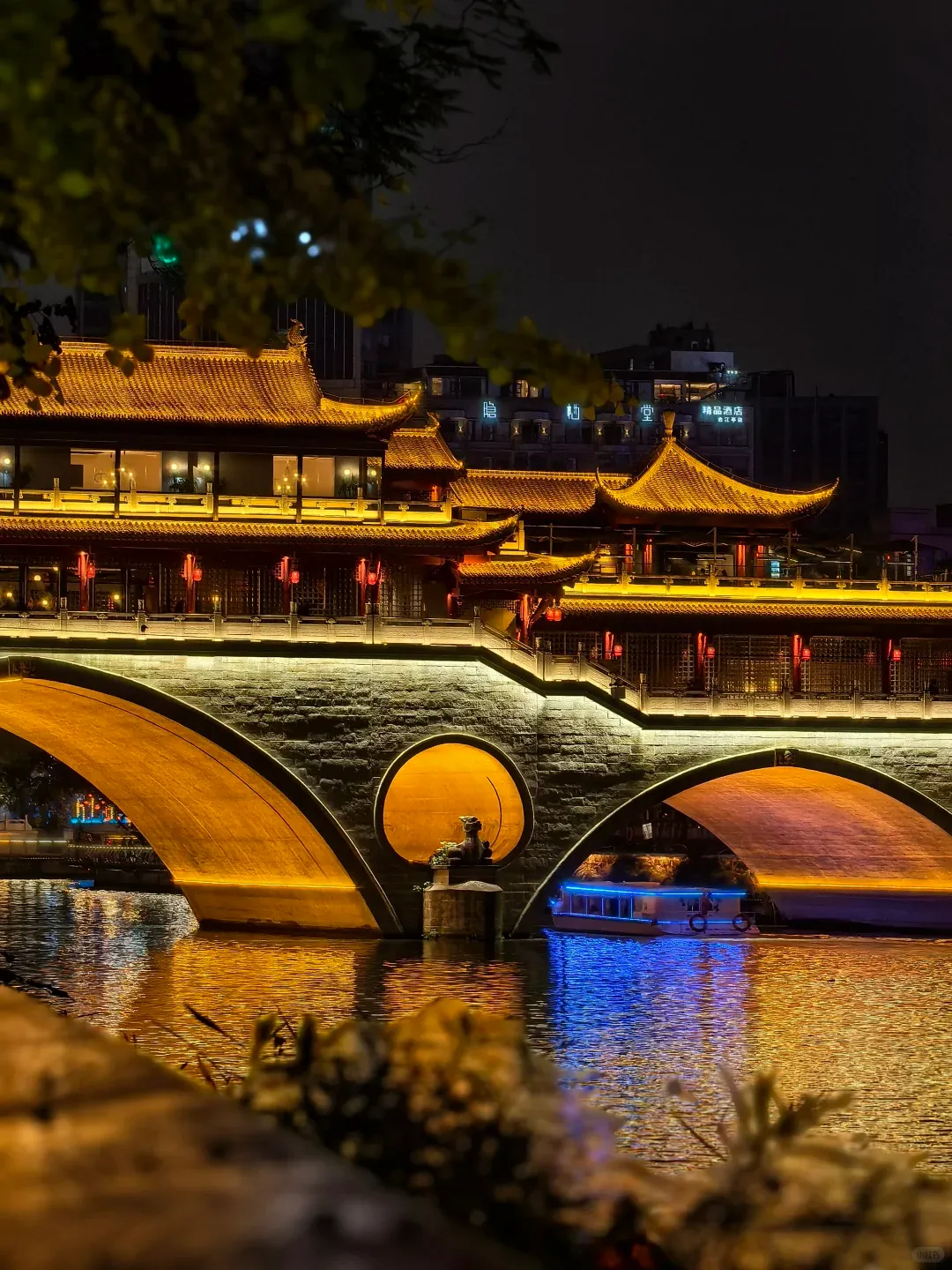
Anshun Bridge at Night
Illuminated bridge reflected in the Jin River.
🕐 After 7 PM · Long exposure Panda Base — Morning Feeding
Pandas eating bamboo in morning light, no glass between you and them.
🕐 8:00–9:30 AM · 200mm+What Travelers Say About Chengdu
Real themes from hundreds of traveler reviews.
""We arrived at 8 AM and were SO glad we did. By 10 AM the pandas were already napping and the crowds had tripled. The baby pandas in the nursery were the size of loaves of bread.""
""I thought I knew spicy food until Chengdu humbled me. The mala numbing sensation is completely different from anything I've had before. By day three, I was addicted.""
""People's Park was the unexpected highlight of our trip. We sat at Heming Tea House for three hours just watching locals dance, sing, and play mahjong. It felt like we stumbled into the real Chengdu.""
""The language barrier is more real in Chengdu than Beijing or Shanghai. Download a translation app before you go — the camera translation feature saved us at restaurants daily.""
What to Really Expect
Things most guidebooks skip — better to know before you go.
The spice will humble you
Sichuan mala isn't just heat — the peppercorns make your tongue tingle and go numb, unlike anything in Thai, Indian, or Mexican food. Non-spicy dishes exist, but half the menu bites back.
English is scarce outside hotels
Menus rarely have English and taxi drivers won't understand you. Use a translation app with camera mode and carry your hotel address in Chinese.
Pandas nap through midday
Pandas are most active 8:00–10:00 AM. By 11:30 most are asleep. Arrive at 1 PM expecting action and you'll be disappointed — set an early alarm.
Summer is punishing
July–August brings 30°C+ heat, humidity, and domestic holidays. Spring (Mar–May) and autumn (Sep–Nov) are 15–25°C and far more pleasant.
What to Pack for Chengdu
Eight things that separate a smooth trip from a stressful one.
Temple complexes, ancient streets, and the Panda Base cover a lot of ground.
Chengdu gets sudden rain even in sunny seasons.
Camera translation is a lifesaver at picture-free menus.
Required for hotels, SIMs, train tickets, and ID checks.
You cannot download VPN apps once inside China.
Your phone runs translation, maps, and payments all day.
Many public restrooms lack toilet paper and soap.
Chengdu will feed you things you've never tasted.
Frequently Asked Questions
Every question travelers ask before visiting.
Sources & References
Authoritative references behind the facts, prices, and history on this page — so you can verify everything yourself.
Chengdu is the capital city of the Chinese province of Sichuan. With a population of 20,937,757 at the 2020 census, it is the country's fourth most populous city and the only city with a population of over 20 million apart from provincial-level municipalities. It is traditionally the hub of Western China.
About This Guide
Best of Chengdu is independently researched and regularly updated by the Best of Chengdu Team — editors based in Chengdu, Sichuan. We eat at the restaurants we recommend, visit the attractions we describe, and test the itineraries ourselves. This page was last updated by our food editor on August 5, 2026. We are not affiliated with any government tourism organization, restaurant, or attraction. If you spot outdated info or have a tip to share, please tell us — this guide gets better because of readers like you.
Get the inside scoop
New restaurant openings, seasonal food guides, and local tips — delivered when it matters.